What is Pre Fabricated Metal Buildings and How Do They Work?
Pre Fabricated Metal Buildings are revolutionizing the construction industry. These structures are designed in factories and then shipped to the site. They offer a variety of benefits to builders and owners alike. Speed is one significant advantage. Construction timelines are often reduced, resulting in quicker occupancy.
These buildings are constructed using high-quality materials. This ensures durability and longevity. However, not all Pre Fabricated Metal Buildings are the same. Some may cut corners to save costs. It's important to choose a reputable manufacturer with a solid track record.
While the concept is straightforward, the execution can sometimes be flawed. It’s essential to understand the design and customization options available. This allows for buildings that meet specific needs. As the demand for efficient construction continues to rise, Pre Fabricated Metal Buildings will likely play an increasingly vital role.
Definition and Key Features of Pre Fabricated Metal Buildings
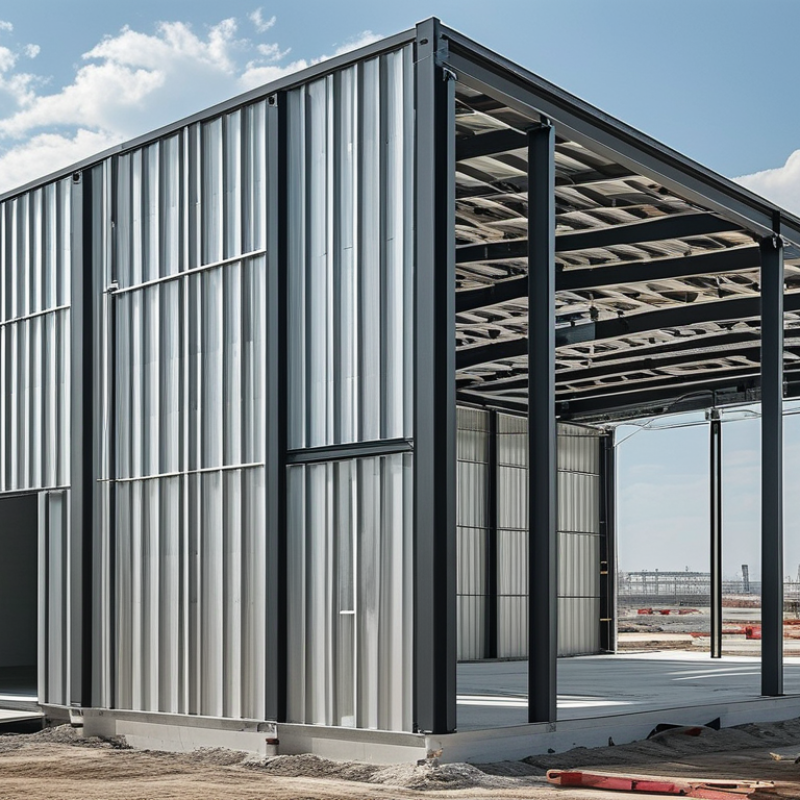
Pre fabricated metal buildings are structures made from prefabricated components. These components are manufactured off-site and then assembled on location. This process saves time and can reduce costs. Key features include versatility, durability, and a quick construction timeline. They can serve various purposes, such as warehouses, homes, or garages.
When considering a prefabricated metal building, it's essential to assess your needs. You should think about the size and design. Customization options exist, allowing you to tailor aspects of the building. However, reflect on the trade-offs between standard models and personalized designs. Sometimes, less customized options may serve your purpose just as well.
Tips: Ensure proper site preparation before assembly. It can minimize future repair needs. Always check local building codes and regulations. They will guide you on what is permitted. Finally, consider energy efficiency. Choosing insulation options can lead to long-term savings. Think critically about these factors as they impact your project’s success.
Types of Pre Fabricated Metal Buildings and Their Applications
Pre Fabricated Metal Buildings come in various types, each serving unique purposes.
Industrial buildings are often large, used for manufacturing or storage. These structures can be customized with specific dimensions to accommodate equipment and workflows. They also offer durability and energy efficiency, saving long-term costs.
Another popular type is agricultural buildings. These are designed for farm use, like barns or equipment storage. They can withstand harsh weather conditions, providing safety for livestock and tools. In urban settings, these buildings often serve as commercial spaces, such as warehouses and retail stores. The flexibility in design is key, allowing for easy future expansions.
Despite their advantages, there are challenges. Site preparation can be extensive, leading to delays. Also, some may find these structures less visually appealing. Overcoming these hurdles requires thoughtful planning and design, ensuring functionality and aesthetics are balanced.
Advantages of Using Pre Fabricated Metal Structures in Construction
Prefabricated metal buildings have gained traction in recent years due to their numerous advantages. The construction industry has seen a shift towards these structures, as they offer significant cost benefits. Reports indicate that prefabricated buildings can reduce construction time by as much as 30%. Faster project completion can lead to quicker returns on investment, which is appealing to developers.
Moreover, prefabricated metal structures are designed with durability in mind. According to industry studies, these buildings have a lifespan that often exceeds 50 years with minimal maintenance required. This longevity reduces the need for frequent repairs, which can be a major expense for owners. Additionally, the materials used are generally resistant to elements like fire and pests, enhancing their overall reliability.
However, it's important to consider some challenges. Not all projects are suited for prefabricated solutions. Customization options may be limited compared to traditional construction methods. Some might find it difficult to accommodate unique architectural designs, which can impact creativity. Balancing efficiency with aesthetic requirements is a key consideration in using these buildings.
The Manufacturing Process of Pre Fabricated Metal Buildings Explained
Pre fabricated metal buildings are designed for efficient construction and modularity. These structures often involve a specific manufacturing process that maximizes speed and quality. The production typically starts with detailed engineering and design. Advanced software allows architects and engineers to create precise plans. These plans are then translated into prefabricated components, including walls, beams, and roofs.
Once the designs are finalized, materials are sourced. High-quality steel is often used due to its strength and durability. These materials are then cut, shaped, and assembled in a factory setting. This controlled environment helps ensure consistency and reduces waste. Each component is thoroughly inspected before being shipped to the construction site.
Tip: When planning a pre fabricated building, consider the climate. It affects materials and design choices.
After arrival, the building parts are assembled rapidly. This approach minimizes labor costs and reduces construction time significantly. However, challenges may arise during assembly. Workers must pay attention to alignment and fit, as slight miscalculations can lead to structural issues.
Tip: Always involve experienced contractors in the assembly phase. They can help avoid common pitfalls.
Despite the benefits, pre fabricated buildings require careful planning and execution. A lack of attention in the early stages can lead to complications later. It's essential to stay engaged throughout the process to ensure success.
Cost Analysis and Economic Impact of Prefabricated Metal Solutions
Prefabricated metal buildings are an innovative solution for many construction needs, significantly impacting costs and economic efficiency. Reports indicate that prefabricated solutions can reduce construction time by up to 50% compared to traditional methods. The quicker assembly process leads to lower labor costs, which is crucial in today’s competitive market. Additionally, studies highlight that these structures can be up to 30% cheaper than conventional buildings, mostly due to reduced material waste and efficient manufacturing practices.
Tips: When considering a project, evaluate your local market conditions. The price of steel fluctuates, which can impact overall costs. Understanding regional demand can help you make informed decisions.
Moreover, the economic influence of prefabricated metal buildings extends beyond initial savings. The durability and low maintenance of these structures contribute to long-term financial benefits. Research suggests that businesses can save an astounding 20% on operational costs due to energy-efficient designs and materials. Yet, potential buyers should be cautious. The market is evolving, and not all offerings are of equal quality. Ensure you check certifications and reviews before making a decision.
Tips: Always conduct a thorough evaluation of providers. Comparing multiple quotes can uncover hidden costs and savings, ensuring the best financial outcome for your investment.
What is Pre Fabricated Metal Buildings and How Do They Work?
| Dimension |
Description |
Cost Range ($) |
Economic Impact ($) |
| Residential Buildings |
Prefabricated homes for quick setup and cost savings |
30,000 - 100,000 |
1.2 Billion |
| Commercial Warehouses |
Large storage solutions with customizable designs |
60,000 - 250,000 |
3.5 Billion |
| Industrial Facilities |
Factories and production plants designed for efficiency |
150,000 - 500,000 |
7 Billion |
| Agricultural Buildings |
Barns and storage for equipment and produce |
20,000 - 80,000 |
600 Million |
| Retail Spaces |
Quick-to-build shops with modern aesthetics |
50,000 - 200,000 |
2 Billion |