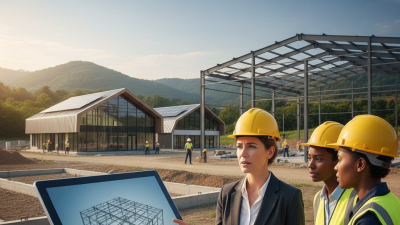
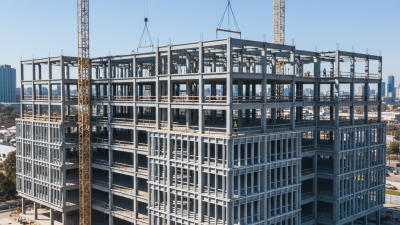
Top 10 Benefits of Prefabricated Steel Buildings for Buyers?
Prefabricated Steel Buildings are revolutionizing the construction industry. Their design efficiency and versatility are attracting buyers from diverse sectors. Buyers often seek structures that provide durability and cost-effectiveness.
These buildings significantly reduce construction time, making them an appealing choice. They are suitable for various applications, from warehouses to residential buildings. Flexibility in design allows for custom solutions, accommodating specific buyer needs. Additionally, the use of steel ensures strength and longevity, attracting those who prioritize reliability.
While the benefits are evident, some buyers may overlook the importance of quality control. Issues such as improper installation can lead to problems down the line. It's crucial to work with reputable manufacturers to mitigate such risks. Overall, Prefabricated Steel Buildings offer numerous advantages but require careful consideration and planning for successful implementation.
Advantages of Efficient Construction Time with Prefabricated Steel Buildings
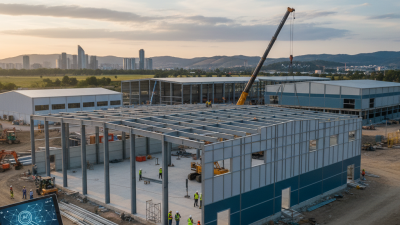
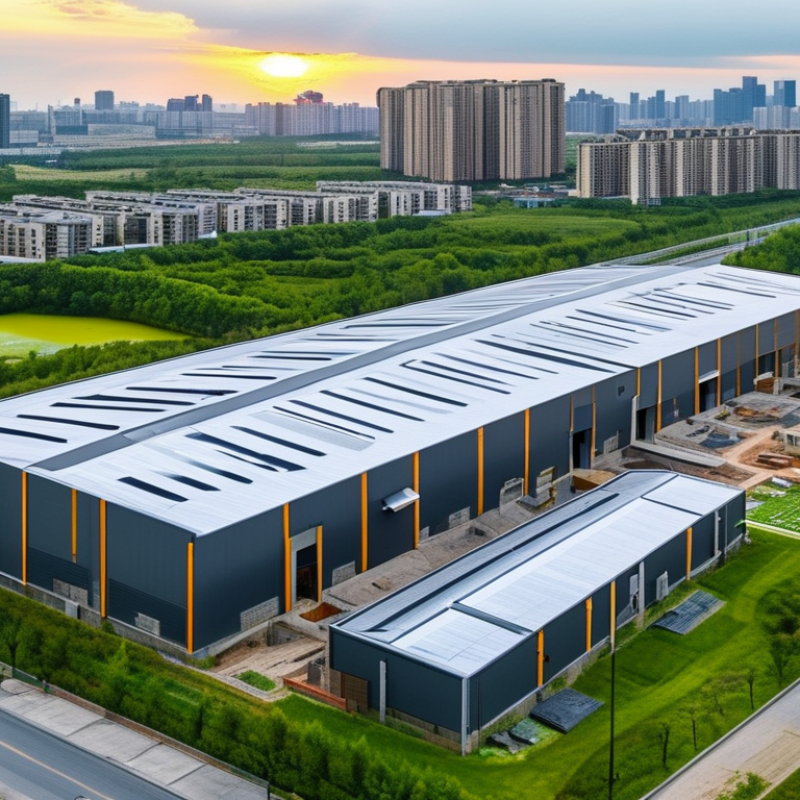
Prefabricated steel buildings offer remarkable benefits, particularly in construction time efficiency. According to industry reports, these structures can be erected 30-50% faster than traditional building methods. This rapid deployment is due to the off-site fabrication process, which minimizes weather-related delays and labor costs on site. Builders receive pre-engineered components that fit together seamlessly, leading to fewer onsite errors and adjustments.
When considering a prefabricated steel building, keep efficiency in mind. Research indicates that reduced construction time also leads to quicker occupancy for projects. For developers, this means a faster return on investment. Specifying clear requirements can prevent misunderstandings that might slow progress.
Tips for maximizing efficiency: Always have a precise design plan. Ensure that all components meet strict quality standards to avoid delays. It’s valuable to collaborate with experts who understand steel construction. Engaging professionals early can streamline the process. Reflecting on past projects can also reveal areas for improvement. Emphasizing continuous improvement can yield superior results in future endeavors.
Top 10 Benefits of Prefabricated Steel Buildings for Buyers
| Benefit |
Description |
Impact |
| Rapid Construction |
Prefabricated steel components are manufactured off-site, which significantly reduces the time needed for on-site assembly. |
Decreased project timelines and increased efficiency. |
| Cost-Effectiveness |
Reduced labor and material costs due to streamlined construction processes. |
Lower overall project costs. |
| Quality Control |
Components are built in a controlled factory environment, leading to higher quality standards and fewer defects. |
Enhanced building durability and safety. |
| Design Flexibility |
Customizable design options to meet the specific needs of clients. |
Increased satisfaction and suitability for various applications. |
| Sustainability |
Steel is 100% recyclable, contributing to environmentally friendly construction practices. |
Reduced environmental impact. |
| Faster Occupancy |
Quick return on investment as buildings can be occupied sooner. |
Increased cash flow. |
| Minimal Waste |
Efficient production processes generate less construction waste. |
Lower disposal costs and a reduced environmental footprint. |
| Enhanced Safety |
On-site safety risks are minimized, leading to fewer accidents and injuries during construction. |
Improved worker safety. |
| Energy Efficiency |
Modern insulation techniques can be easily integrated into steel buildings, improving energy efficiency. |
Reduced energy bills for occupants. |
| Scalability |
Easily expandable for future growth or adaptation to new uses. |
Long-term viability and flexibility. |
Cost-Effectiveness of Prefabricated Steel Structures Compared to Traditional Options
The cost-effectiveness of prefabricated steel buildings stands out prominently when compared to traditional construction methods. According to a report from the Metal Building Manufacturers Association, prefabricated steel structures can reduce construction time by up to 40%. This expedited process not only saves time but also cuts labor costs significantly.
In terms of materials, prefabricated steel is known for its durability and lower maintenance expenses. Studies indicate that steel buildings can have a lifecycle that lasts two to three times longer than traditional wood structures. This longevity translates into substantial savings over time. Furthermore, research shows that energy-efficient designs can make these structures 20% more energy-efficient than conventional options.
Investing in prefabricated steel buildings also reflects scalability. They can easily be expanded or reconfigured to meet changing needs. However, potential buyers should consider local regulations and site-specific factors. The initial costs of prefabricated solutions might also seem higher upfront when compared to traditional materials. Balancing these aspects is crucial for making informed decisions.
Top 10 Benefits of Prefabricated Steel Buildings
This chart illustrates the cost-effectiveness and key benefits of prefabricated steel structures compared to traditional construction options. The data shows the average percentage of cost savings and other advantages associated with prefabricated steel buildings.
Durability and Longevity: Why Steel is a Preferred Material for Buildings
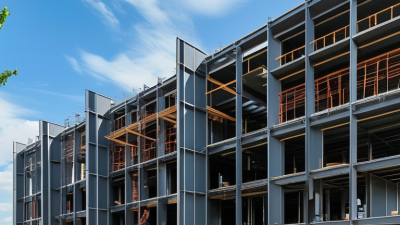
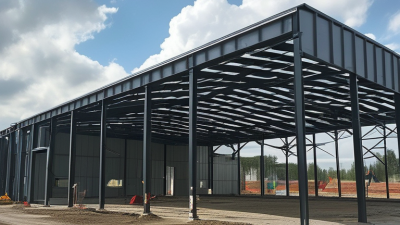
When considering building materials, steel stands out for its remarkable durability and longevity. Prefabricated steel buildings can withstand harsh weather conditions, including heavy winds and snow loads. Unlike wood, steel is not susceptible to termites or rot. This reliability leads to lower maintenance costs over time, making it a smart investment for many buyers.
Moreover, the lifespan of steel buildings often exceeds those made from traditional materials. With proper care, they can last for decades without significant deterioration. This longevity appeals to businesses seeking stability and sustainability. However, it is crucial to ensure that the steel is sourced from reputable suppliers to fully benefit from its strength.
While steel offers many advantages, challenges exist. It can be more expensive than wood upfront. Some may also have concerns about insulation and energy efficiency. Addressing these issues requires thoughtful planning and design. Buyers should weigh the initial costs against long-term benefits, ensuring that their choice aligns with their vision for the project.
Sustainability and Environmental Benefits of Using Prefabricated Steel
Prefabricated steel buildings offer notable sustainability benefits. They are made from recyclable materials, which significantly reduces waste. This is crucial in today's world, where minimizing landfill contributions is a priority. Steel is durable and can be reused multiple times, making it an environmentally friendly choice.
Another benefit is energy efficiency. Prefabricated steel structures often utilize advanced insulation techniques. This helps to reduce energy consumption for heating and cooling. Moreover, many designs incorporate natural lighting to lower reliance on artificial lights. This showcases a commitment to sustainable practices.
It's essential to acknowledge that, despite these benefits, some challenges persist. For instance, the production of steel involves significant energy use, which can contribute to carbon emissions. However, choosing high-quality prefabricated options can mitigate some negative impacts. Ultimately, understanding both advantages and drawbacks can lead to more informed decisions in sustainable building practices.
Versatility of Design and Applications in Prefabricated Steel Building Projects
Prefabricated steel buildings offer impressive versatility in design and applications. Their modular nature allows for a wide range of configurations. Buyers can tailor layouts to suit specific needs, whether it’s for commercial, industrial, or residential use. This adaptability enhances their appeal, making them suitable for diverse projects.
Design possibilities are not limited to traditional structures. Unique architectural styles can be achieved with steel buildings, allowing for creative flair. From warehouses to homes, the options are extensive. Open spaces can be easily created, enabling large gatherings or specialized work environments. However, achieving the desired aesthetic may require careful planning and collaboration.
Sustainability is another crucial aspect. Prefabricated buildings often incorporate energy-efficient designs. They can utilize natural light and optimize insulation. Yet, it’s essential to assess the environmental impact of materials used. Continuous improvement in this area is necessary for future developments. Ultimately, buyers benefit from a balance between functionality and sustainability in steel buildings.